x
Passengers
Business
Workforce

Main navigation

  • Flights
    • Book a Trip
    • Arrivals
    • Departures
    • Flight Tracker
  • Parking + Transportation
    • Parking
    • Rental Cars
    • Ground Transportation
  • Passenger Services
    • In the Terminal
    • Safety + Operations
    • Special Needs
    • Passenger Appreciation
  • FAQs
    • About the Airport
    • Flights + Airlines
    • Passenger Services
    • Travel Tips
    • Security
  • News + Statistics
    • News
    • Statistics
    • Media
    • News Archives
  • Community Connection
    • Art + Music in the Airport
    • Honoring Western North Carolina Pilots
    • Make a Suggestion
  • General Aviation
    • General Info
    • Directions
    • Maintenance + Sales
    • Fixed-Base Operator
    • Learn to Fly
    • For Pilots
  • Sign Up — Window Seat E-newsletter
  • Contact Us

Business Menu

  • Airport Authority
    • Annual Report
    • Rules + Regulations
    • History
    • Tenants
    • Ordinances
    • Staff
    • Career Opportunities
  • Doing Business with AVL
    • Advertising
    • Filming on Site
    • DBE/ACDBE Programs
    • RFP-RFQ-RFB
    • AVL Minimum Standards
    • Airport Development Guidelines
  • Planning + Development
    • 2013 MASTER PLAN DOCUMENTS
    • CURRENT MASTER PLAN PROCESS
  • Board
    • Board Documents
    • Board Schedule + Legal Notices
    • Action Agenda
    • Board Agenda
    • Budget
    • Meeting Minutes

Workforce Menu

  • AVL KIND
X        
mobile navbar button
Home

Breadcrumb

  1. Home
  2. News + Statistics
  3. News Archives
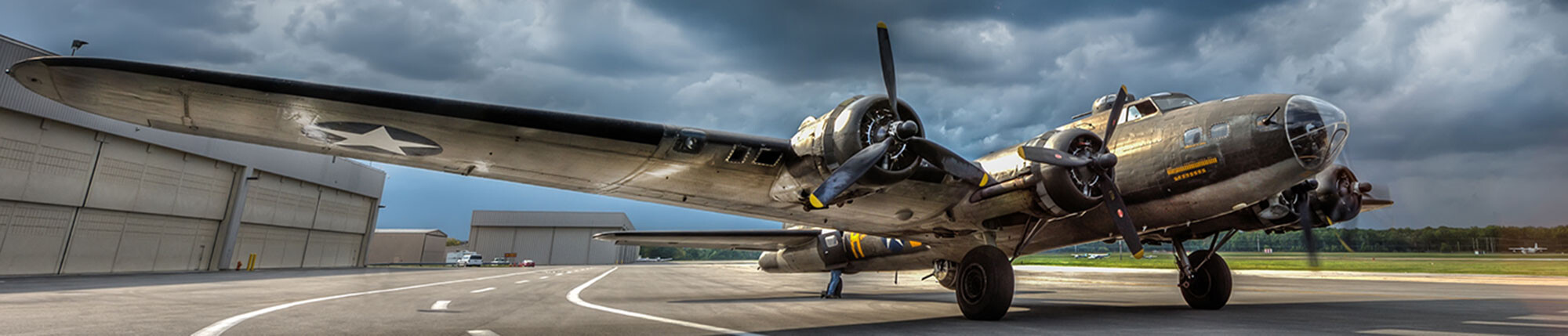
Historic Plane

News Archives

See below for a comprehensive collection of past news and updates.

Swoosh

Behind the Scenes: A look at the Airport Information Technology Department

March 18, 2015

So, you’re about to embark on an exciting trip, one that begins at Asheville Regional Airport!  We know you have a fabulous destination on your mind (New York?  California?  Italy?  Peru?), and we also know that there are hard-working airport employees who are thinking about many other details that affect your trip.  We thought it would be fun to give a little insight into what happens “behind the scenes” at the airport in one of our departments.   Join us on a descriptive journey of your arrival at the airport, and the ways that our Information Technology team impacts your trip… You arrive at the airport and enter the parking lot at the mechanical arm gate.  You press a button, and out pops a parking ticket.  You pull the ticket, the gate arm lifts, and you proceed to your parking spot. Once you enter the airport, you pull out your smart phone, log on to the free wifi in the terminal, and open your e-boarding pass that was sent to you by your airline.  You head to the ticket counter where you check-in your luggage.  A bar coded ticket is attached to your bag, and off it goes into checked baggage wonderland.  A quick glance at a mounted LCD screen shows that the weather is sunny and clear – a good day for a flight. You head to the security check-in.   While in line, you look up at another flat panel LCD screen where flight schedules are posted.  You check to make sure your flight is on time, and that you are headed to the correct gate. Once through security, you stop in at the restaurant to buy a cup of coffee and a king-sized Kit Kat, swiping your credit card before heading to your gate. At the gate, the ticket agent is checking the computer at the kiosk to ensure that everything is set for your flight while you catch up on news at one of the passenger televisions at the gate. All the while, the operations and public safety departments are monitoring the goings-on throughout the terminal with a computerized system. Upstairs, the administrative staff members of the airport are plugging away at their jobs, using computers, tablets and phones.  The airport finances are being organized and tracked using an accounting software system.  A new billboard is being designed at a graphic design station, and a construction project’s Auto CAD drawings are being updated.  Documents of all kinds are being produced as part of the daily operations at the airport.  And all the while, information safety and security is proactively administered. Across the airport campus, a construction project is underway.  Thousands of feet of fiber and cable is being installed, an infrastructure component necessary for the upgrades coming to connectivity at the airport.  The new airport entrance sign is being prepped for the installation of digital displays, with wireless management capabilities. Each of the scenarios illustrated here are areas in which the airport’s Information Technology team are involved.  All of the airport’s information technology hardware and software is maintained, updated and supported by a team of IT specialists.  The work this specialized team accomplishes each day touches every passenger, employee and visitor at the airport, and though they are often working “behind the scenes,” the airport couldn’t run smoothly without them. Now, before you scan your e-boarding pass on your way to your fabulous destination, how about using the airport’s free wifi to send a quick tweet?  Use this hashtag:  #airportITrocks!

New board members appointed to the Greater Asheville Regional Airport Authority

March 6, 2015

(Asheville, N.C.) The Greater Asheville Regional Airport Authority (GARAA) is pleased to announce the addition of two new board members, Stephanie Pace Brown and Matthew Burril. Brown was appointed by Asheville City Council and Burril was appointed by the Buncombe County Commission. Both attended their first board meeting on February 13, 2015. Stephanie Pace Brown is the Executive Director of the Asheville Convention & Visitors Bureau, leading a staff of 23 to attract overnight visitors to Buncombe County. Prior to joining the Asheville CVB, she served as President and CEO of the Alexandria Convention & Visitors Association in Alexandria, Virginia where she directed marketing and public affairs efforts for Mount Vernon. In addition, she worked as Research Manager for the Ohio Division of Travel and Tourism and as Director of Customer Research for The Colonial Williamsburg Foundation. Brown is currently a trustee on the board of the Travel & Destination Foundation, and her local service includes the Buncombe Cultural Alliance and the Asheville Area Riverfront Redevelopment Commission. Matthew Burril is President of BrickStreet Equity Management, a Registered Investment Advisor portfolio management firm located in Asheville. Matthew has 30 years of investment management experience and holds a B.A. in Sociology from the University of Georgia. Burril is a member of the Economic Development Coalition and a licensed pilot with over 4,000 hours of flight time. He has served on multiple boards including Better Business Bureau and United Way. "We are looking forward to having Stephanie and Matthew serve as the newest members of the Greater Asheville Regional Airport Authority Board," said Bob Roberts, GARAA chairman. "Each bring excellent skills and expertise to the board, and their contributions will help us continue to govern the direction of one of our region's greatest assets - our airport." The GARAA is also served by Bob Roberts, Regional Executive Vice-President of First Citizens Bank & Trust Company and GARAA Chair; K. Ray Bailey, former president of Asheville-Buncombe Technical Community College and former Buncombe County Commissioner; Jeffrey Piccirillo, hospitality industry executive; Andrew Tate, President & CEO of the Henderson County Partnership for Economic Development; and William Moyer, retired attorney and former Henderson County Commissioner.  

Record number of passengers served in 2014

January 27, 2015

Asheville Regional Airport (AVL) served a record number of passengers in 2014: 378,124 passengers enplaned at the airport in 2014, and 378,301 passengers deplaned, an 11.5% increase compared to 2013, and a 2.3% increase compared to 2010, the previous best year on record. "We can attribute this growth to two key factors," said Lew Bleiweis, A.A.E., Executive Director. "We have been successful in our efforts to retain the important hub connectivity from AVL and in attracting new low-cost service to Florida. Also, the air travelers in western North Carolina continue to embrace their local airport, and fly from AVL as often as they can." During the past few years, airlines have changed their business models, and now work diligently to match flights and seats to what a market will support. They focus on connecting passengers from regional airports to major hubs, rather than flying point-to-point from smaller markets. Legacy carriers Delta, American (US Airways) and United provide two-thirds of the air service at AVL, connecting passengers with frequent daily flights to major hubs. At the same time, ultra-low-cost carriers have found an excellent niche in regions like western North Carolina. Allegiant Air entered the WNC market in 2011, focusing on selling vacation packages (including airfare) to popular destinations in Florida. In just over three years, Allegiant significantly grew its presence here and now offers a third of the airline seats at AVL. "One thing that is a constant in this industry is change," said Bleiweis. "An airport does not control the air service that is offered, but we do partner with airlines and work to support their success in our market. If an airline is successful, they will stay in the market, and that's what we want for them and for the air travelers in our region - the excellent connectivity we enjoy today." AVL was named the best connected non-hub airport in America in 2013, and has enjoyed continued growth since that time. Seats in the market have been strong, and a look ahead shows more airline seats being offered this spring and summer compared to 2014.

Is that a big jet I see? What happened to the smaller commuter planes?

December 16, 2014

The airlines are continuing to reduce the number of smaller planes from their fleets, which means the reemergence of larger jets at AVL. Smaller planes worked well when jet fuel prices were very low. However, the price of jet fuel spiked several years ago, and ever since then, smaller planes are no longer as economically viable for the airlines. American (US Airways), Delta and United continue to offer service on 50-seat aircraft, but the frequency of these flights has declined slightly now that larger aircraft are back in the mix. American (US Airways) and Delta offer two-class service on many of the planes from AVL.   Allegiant (the ultra low-cost carrier with five Florida routes from AVL)  flies planes that seat 150 or 176 passengers. The trend will continue in which airlines will reduce the frequency of their 50-seat aircraft, replacing with fewer round-trips with larger aircraft. It’s all about economics and the most efficient way to fly from “point A” to “point B.” So the next time you book a flight from AVL and start to choose your seat, pay attention to that diagram of the airplane on your computer screen. It might be a little bigger than you anticipated.

Construction to the east, construction to the west … and yes, the north and south, too

December 15, 2014

Asheville Regional Airport is under construction, and no matter which way you look, dirt is being moved, roads are being paved or signs are being erected.  Below is a brief overview of what’s happening at the airport. Project SOAR:  on the west side of the airport The biggest construction project since the airport was built, Project SOAR will result in a new runway, a second taxiway and more than 40 acres of buildable land on the west side of the airfield.  Right now, the land is being prepared for the construction of the new taxiway.  Lots of fill material is being trucked to the site, and we expect the taxiway construction to begin by the end of the year.  To find out more, click here. To the south:  site preparation for a new gas station and convenience store The construction taking place adjacent to the south entrance of the airport – across from the WNC Ag Center and Fanning Bridge Road – is site preparation for a land tenant who is building a gas station and convenience store. To the north:  NC Department of Transportation project The main entrance of the airport has been demolished, and is being relocated at this time.  Why?  The NC Department of Transportation (NC DOT) needed the land where the entrance was located to complete their reconfiguration of the traffic interchange on Airport Road. This new entrance will be located at the light across the street from The Fairfield Inn and the J&S Cafeteria. To the east:  the “borrow pit” Directly across Airport Road from the terminal is what the airport calls its “borrow pit.”  This is a parcel of land designated for future development.  In order to prepare the gas station site at the south entrance,  fill dirt was “borrowed” from this parcel of land to the east of the terminal.  By removing dirt from this land, it is being leveled and prepared for future development.

AVL Executive Director elected chair of ACI-NA's U.S. Policy Board

October 8, 2014

(Asheville, N.C.) Lew Bleiweis, A.A.E., Executive Director of Asheville Regional Airport (AVL), has been elected chair of the Airports Council International – North America (ACI-NA) U.S. Policy Board. By position, the US Policy Board Chair also serves as one of the five executive committee members of the ACI-NA board. He will serve a two-year term in this position.  "Lew is a well-respected aviation leader who brings great expertise as chair of ACI-NA's U.S. Policy Board,” said Kevin M. Burke, president and CEO of ACI-NA. “As U.S. airports look toward next year's FAA reauthorization, the U.S. Policy Board will be tasked with developing forward-looking policies that promote airports as essential components of our nation's transportation system. We look forward to working with Lew in his new capacity as chair of this important group.” “I am pleased to serve as chair of the US Policy Board, and look forward to working with talented aviation colleagues around the country to impact the industry positively,” said Bleiweis. “The future of airports and aviation is strongly linked to decisions that are made in Washington, and it is important that airports have a strong voice in important policy decisions.” The ACI-NA’s mission is to advocate policies and provide services that strengthen the ability of commercial airports to serve their passengers, customers and communities. The ACI-NA represents local, regional and state governing bodies that own and operate commercial airports in the United States and Canada. Approximately 380 aviation-related businesses are also members of ACI-NA, providing goods and services to airports. ACI-NA’s members enplane more than 95 percent of the domestic and virtually all the international airline passenger and cargo traffic in North America.

Airport main entrance to close

September 26, 2014

Asheville Regional Airport’s main entrance will close permanently Wednesday, October 8. All traffic will then access the airport through the south entrance at the light near Fanning Bridge Road, and this traffic pattern will be in place through early 2015 when a new main entrance will open. Signs will be posted to direct traffic.  The closure of the main entrance is due to a North Carolina Department of Transportation project on Airport Road. The airport’s main entrance will be relocated slightly south of its current location (at the light directly across from J&S Cafeteria and the Fairfield Inn), and is slated to open by January 2015.

Passenger traffic on the rise at Asheville Regional Airport

September 23, 2014

Asheville, N.C.– For the eighth month in a row this year, passenger traffic increased at Asheville Regional Airport. The number of travelers departing from Asheville increased 11% for the month of August 2014 compared with August 2013, and was the biggest recorded August in the airport’s history with a total of 75,421 passengers.  The increase in passenger traffic locally is in line with a national trend of summer travel growth compared to last year. Simultaneously, AVL’s significant increases have been influenced by several specific factors: a new non-stop route, larger planes with two-class service, and more airline seats in the market. Also, Asheville’s growing reputation as a leisure destination continues to draw more travelers to the region through the airport. The newest non-stop route to Palm Beach, Fla. operated by ultra low-cost carrier Allegiant Travel Company started in May, which added to the flight options available for travelers. At the same time, Delta Air Lines and US Airways (American Airlines) replaced several of their smaller regional jets with larger aircraft, offering more spacious cabins and two-class service – amenities desired by some travelers. And seats in the market continue to rise compared to the same period last year, with October and November projections showing 24% and 16% increases respectively. The flights from the airport are also full, with the average flight from AVL this summer at about 86% capacity. “The airlines offer excellent service that is highly utilized by air travelers,” said Lew Bleiweis, A.A.E., executive director of Asheville Regional Airport. “Travelers can access hundreds of destinations world-wide to and from Asheville Regional Airport, often with one connection through a major hub airport, or non-stop to eleven destinations. Our convenience, ease and desirable flight schedules continue to be embraced by travelers in our region, and we also continue to welcome more and more visitors to the area.”

# # # # #

The Airport Connectivity Quality Index, released in June 2013 by the Massachusetts Institute of Technology (MIT), showed Asheville Regional Airport as the best connected non-hub airport in the United States.

Airport dedicates new public safety facility

August 20, 2014

(Asheville, N.C.) On August 20, 2014 Asheville Regional Airport (AVL) representatives used the “jaws of life” (a public safety rescue tool suitable for cutting into metal) to cut the ribbon during the commemorative ceremony to dedicate the airport’s new public safety facility. The new building, which houses the airport’s police, aircraft rescue and fire-fighting and communications center, opened after two years of design and construction.  “This state-of-the-art public safety facility was designed specifically for the needs of the airport now and into the future,” said Lew Bleiweis, A.A.E., Asheville Regional Airport’s Executive Director. “As the airport has grown, so has our public safety service. More staff members and specialized emergency equipment are needed now than ever before.” As a commercial service airport, the Federal Aviation Administration requires the airport to provide specific levels of rescue and fire service, based upon the largest types of aircraft serving the airport routinely, and the number of aircraft operations at AVL. Additionally, the airport’s passenger numbers continue to climb, and this upward trend is projected to continue. “We now have improved access to the airfield with the new positioning of this facility,” said Bleiweis. The new facility is located so that equipment and staff can respond to aircraft emergencies quickly, and emergency services personnel have access to unobstructed views of the airfield. Additionally, the facility is larger with a state-of-the-art equipment bay suitable for the newer and larger aircraft fire-fighting trucks currently in use, a centralized communications center that serves the entire airport, an emergency operations center, offices, a training room, dormitories and living space for public safety staff. The airport’s public safety facility was replaced for several reasons. One, the existing facility was nearing 40 years old and was built at a time when passenger numbers were lower, emergency equipment was smaller, and fewer staff and equipment were needed to provide services. Also, through the years the facility was remodeled or retro-fitted to accommodate the growing needs of the organization, and the time came to design a new facility that would meet current and future needs as the airport continues to grow. FAA and North Carolina Department of Transportation (NCDOT) grant funds, as well as airport funds intended for aviation system improvements, covered the $4.4 million cost. The airport is not funded by local taxpayers, so no local tax funds were involved in this project. “Safety is a top priority for the airport,” said Bleiweis, “and this new public safety facility helps us meet that prioity. We are pleased to commemorate this building today.”

Asheville Regional Airport breaks ground on $64 million airfield project

August 13, 2014

On August 8, 2014 Asheville Regional Airport (AVL) broke ground on the biggest construction project since the airport was originally built, titled Project SOAR:  Significant Opportunity for Aviation and the Region.  The 5-year, 4-phase project, slated for completion some time in 2018, will result in a new replacement runway, a second taxiway and 40+ acres of land suitable for aeronautical development. 

“This is a milestone event,” said Lew Bleiweis, A.A.E., Asheville Regional Airport’s Executive Director.  “This day is one that will be remembered 50 years from now as a major step that helped position western North Carolina for additional growth in aviation.”

The airport’s runway is being replaced for three reasons.  First, the existing runway (which is 50+ years old) is nearing the end of its useful life and will require major reconstruction to continue its use into the future. Second, the existing runway and taxiway at AVL are slightly closer together than the Federal Aviation Administration (FAA) now requires – standards put in place long after the AVL runway was constructed.  The third reason for the project relates to the airport's 20+ year master plan.  Upon completion of the new airfield, AVL will have land suitable for new aeronautical development, accessible to the runway on the new west-side taxiway.

Because the runway is nearing the end of its useful life (within the next 5 years), the FAA has agreed that it is now time to pursue this project at Asheville Regional Airport – one that will result in a runway that meets current standards, and one that will carry air service for western North Carolina into the future for the next 50+ years.

FAA and North Carolina Department of Transportation (NCDOT) grant funds, as well as airport funds intended for aviation system improvements, will cover the $64 million cost. The airport is not funded by local taxpayers, so no local tax funds will be involved in this project.

“The Greater Asheville Regional Airport Authority Board works diligently to make solid decisions now that will carry the airport forward to meet our region’s growing air service needs, and equally important, our region’s potential,” said Bob Roberts, Greater Asheville Regional Airport Authority Board Chair.  “It is exciting to think about the opportunities for future business development that will be made possible by this significant project.”

The celebration also came at an appropriate time, as Asheville Regional Airport saw a solid year of passenger growth, up 14% compared to the previous year.  The growth substantiates projections used to develop the airport’s 20 year master plan, in which Project SOAR is a major part.

To learn more details and to view a short video about Project SOAR, visit www.flyavl.com.

# # # # #

 

Pagination

  • First page « First
  • Previous page ‹ Previous
  • …
  • Page 17
  • Page 18
  • Page 19
  • Page 20
  • Current page 21
  • Page 22
  • Page 23
  • Page 24
  • Page 25
  • …
  • Next page Next ›
  • Last page Last »
Home

Greater Asheville Regional Airport Authority 61 Terminal Drive, Suite 1 Fletcher, NC 28732

828-684-2226

828-684-3404

pr@flyavl.com

© 2025 Asheville Regional Airport.
Development Partner: Bitcookie

2025 Redesign Footer Menu

  • Passengers
    • Book a Trip
    • Parking + Transportation
    • In the Terminal
    • Arrivals
    • Departures
    • Flight Tracker
  • Business
    • Airport Authority
    • Planning + Development
    • Doing Business with AVL
    • Tenants
    • Board Documents
    • Internal Resources
  • More
    • Special Needs
    • News + Statistics
    • Career Opportunities
    • Report Lost Item
    • Sign Up — Window Seat E-newsletter
    • Contact Us